
by
Share
I’ve been practicing restorative dentistry in Newport Beach for over four decades. And one thing has never changed:
I don’t extract teeth unless I have to. I try to save them.
That’s not just a clinical decision – it’s a core philosophy.
Because once a tooth is gone, it’s gone.
And replacing it – whether with an implant or a bridge – comes with complexity, cost, and a certain loss of what’s naturally yours.
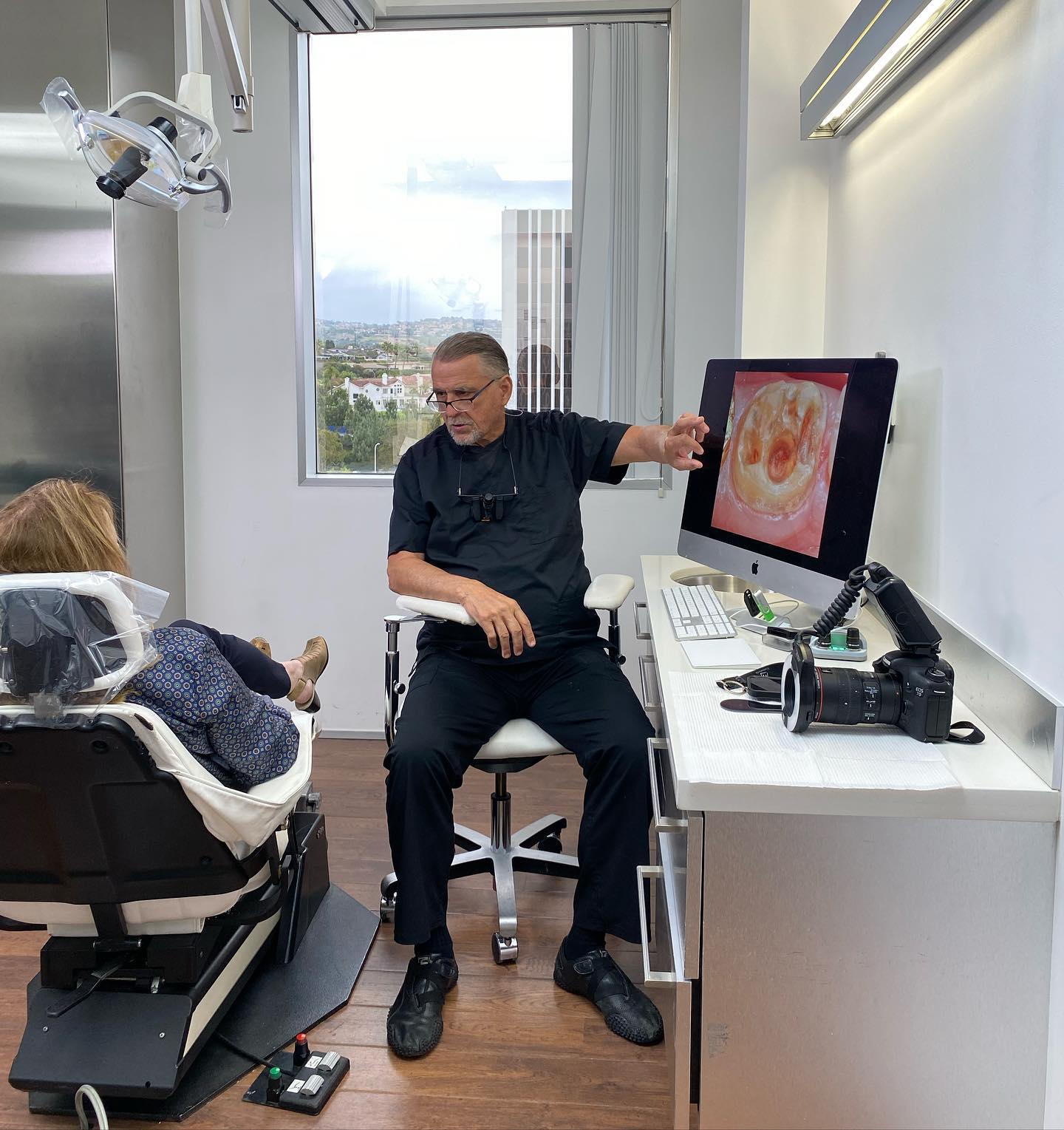
That’s why I take a different path. I fight for the tooth. In my practice, we save about 80-90% of the teeth that were recommended for extraction elsewhere. We use biomimetic materials. We rebuild structure. We create long-term seals and reinforce what nature gave us.
This kind of dentistry is slower, more meticulous, and often more demanding.But it gives my patients something irreplaceable: their own tooth. And here’s the truth – the better I do my job, the less often I see you.
That’s a goal I’m proud of. Restorative dentistry isn’t about doing more – it’s about doing what lasts.
If you’ve been told your tooth can’t be saved – I invite you to let us take a look.Sometimes a second opinion makes all the difference.
Replacing a broken crown is easy. Making it last is harder. Greg Vigoren, DDS explains how comprehensive diagnosis—bite forces, joint/muscle function, and patient history—drives restorative plans designed for long-term stability.
A Newport Beach executive thought his implant was loosening from bite force. The imaging suggested a deeper pattern—one that can signal systemic stress before symptoms appear.
Dental implants aren’t just cosmetic. They restore root-level mechanics, helping preserve jawbone and stabilize bite forces so adjacent teeth and restorations don’t pay the price.